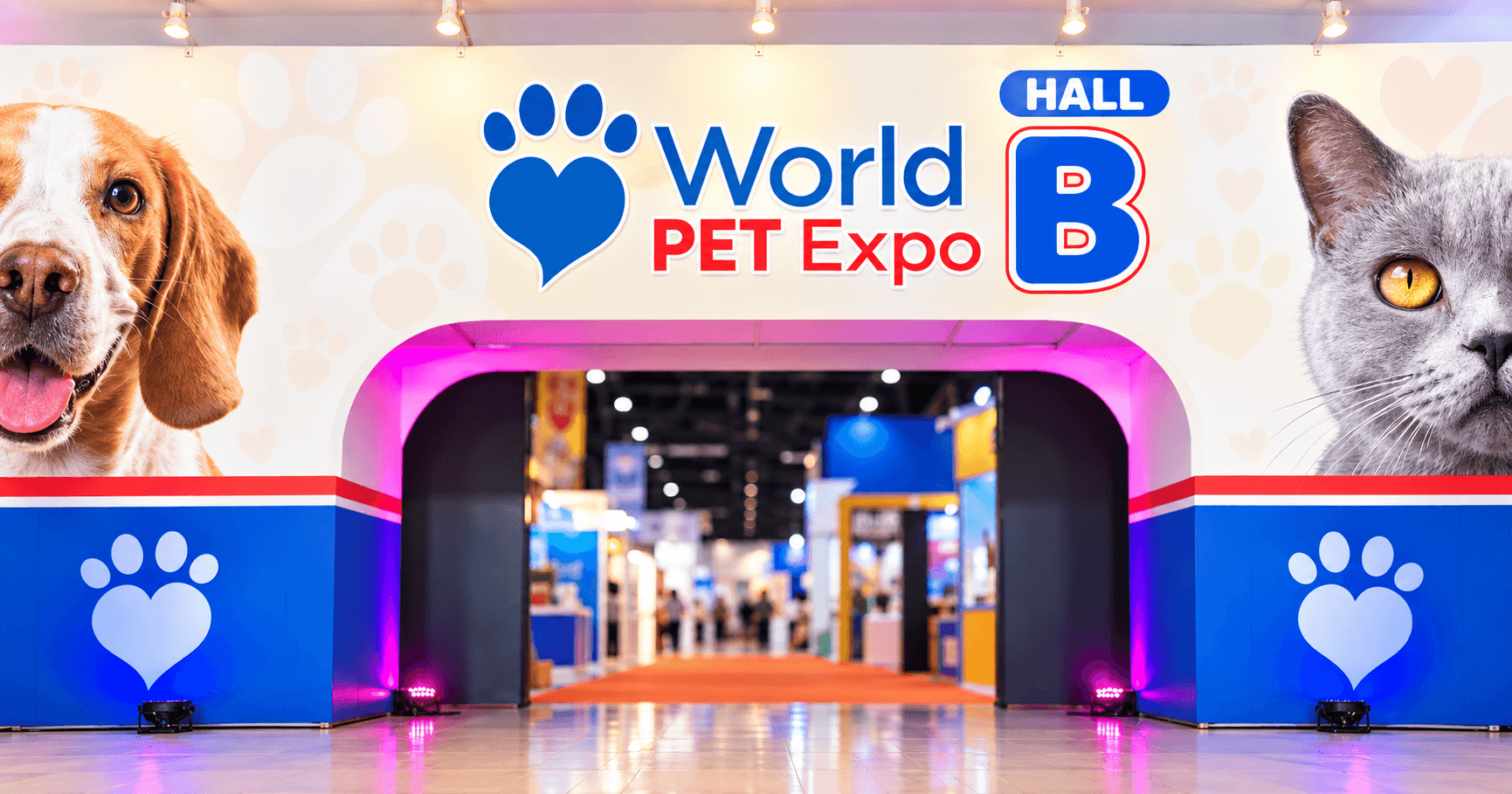
For four days, the World Trade Center Metro Manila became one giant meeting place for pets, pet parents, animal lovers, brands, veterinarians, advocates, hobbyists, and practically every corner of the Philippine pet community.
World Pet Expo 2026, held from September 24 to 27, returned for its second edition with the theme “The Fur-fect Partner.” Organized by Worldbex Services International (WSI), the event brought together the pet industry for four days of exhibits, shopping, competitions, educational talks, demonstrations, activities, and, of course, plenty of pets.
And Filipinos were clearly excited about it.
Before the doors even opened, World Pet Expo 2026 had already recorded 50,000 pre-registrations, surpassing the total 35,780 visitors reported for its inaugural 2025 edition.
That enthusiasm was visible throughout the expo—but as the crowds grew, particularly over the weekend, the event also gave the Philippine pet community plenty to talk about.
There were things we loved, things attendees struggled with, and important lessons that could help make the next big pet event even better.
Official World Pet Expo Welcome Reel
Instagram postOpenBefore talking about the crowds and the challenges, it's worth remembering why events like World Pet Expo are important in the first place.
The Philippine pet community is growing, and so is the industry surrounding it. An organizer release for WPE 2026 cited a Kantar Philippines survey, via the International Trade Administration, reporting that 94% of Filipino households own pets.
But the significance of a pet expo goes beyond how much Filipinos spend on food, treats, toys, grooming, veterinary care, strollers, clothes, and other pet products.
Events like World Pet Expo bring an entire ecosystem together.
Pet parents get to meet the people behind brands they use every day. Small and emerging businesses can introduce their products directly to the community. Veterinarians and other pet-care professionals can share knowledge. Rescue and animal-welfare organizations can introduce their causes to new audiences. Breed clubs, hobbyists, petfluencers, advocates, entrepreneurs, and animal lovers who normally interact online finally get to meet face-to-face.
There is also an important educational role.
World Pet Expo describes itself not only as a marketplace but as a platform for responsible pet ownership, animal welfare, education, industry development, and stronger community connections.
That's something worth supporting.
The more we learn about the animals we share our lives with, the better equipped we become to care for them. Pet events can introduce people to better nutrition, veterinary care, responsible ownership practices, training, enrichment, animal welfare, and even species they may have known very little about before.
They can encourage empathy toward animals—not just our own pets.
And perhaps most importantly, pet events bring people together.
For a community built around the love of animals, there is real value in having spaces where that community can meet, learn, celebrate, and grow.
One of World Pet Expo's strengths is its attempt to represent a much broader pet community.
Dogs and cats naturally attracted plenty of attention, but WPE 2026 also featured aquatic life, birds, rabbits and cavies, hamsters, exotic pets, and fancy poultry alongside grooming, veterinary care and wellness, pet technology, and retail.
Competitions ranged from dog and cat grooming and feline competitions to rabbit and cavy shows, the World Betta Showdown, an international molly and guppy competition, fancy chicken and Ayam Serama showcases, and the World Bully Competition.
There were expert talks, educational seminars, live demonstrations, pet showcases, interactive activities, meet-and-greets, adoption and advocacy activities, and hundreds of brands to discover.
And yes, there was a lot of shopping.
For pet parents, expos provide an opportunity to discover products that might otherwise never appear on their social feeds or local pet-store shelves. For brands—especially smaller Philippine businesses—they provide something equally valuable: direct interaction with the people actually buying and using their products.
Sometimes the best brand ambassadors really are the customers who already know and love what you make.
A large pet expo can be incredibly fun, but it can also be exhausting.
One attendee shared a useful set of tips for people heading to World Pet Expo—exactly the kind of advice worth remembering for future large-scale pet events.
Instagram postOpenIf you're planning to attend a similar event, comfortable shoes are a must. Expect plenty of walking, standing, shopping, and queuing.
If you're bringing a pet, prepare their requirements too. WPE required an updated vaccination record—physical or digital—as well as completion of its Pet Waiver Form for pet entry.
Bring water and whatever your pet normally needs when you're away from home. A stroller or carrier can also be useful for small, senior, easily tired, or mobility-challenged pets.
But perhaps the most important preparation is knowing your own pet.
Attendees posted about long lines and the heat while waiting to get inside.
TikTok postOpenAnother video documented entry being temporarily restricted for crowd control, as organizers managed the number of people entering the venue.
TikTok postOpenThese experiences are worth looking at in the context of WPE's extraordinary demand. More than 50,000 people had pre-registered before the event even began.
A huge turnout is good news for the pet industry. It demonstrates just how enthusiastic and engaged the Philippine pet community has become.
But success at that scale also creates a different challenge:
How do we grow pet events without making them overwhelming for the pets we're celebrating?
This may be one of the biggest lessons from World Pet Expo 2026.
A venue can allow pets and still become an environment that isn't comfortable for every animal.
Crowds, unfamiliar animals, constant movement, bright displays, strangers approaching, long hours away from home, and amplified sound can be a lot for a pet to process.
During WPE, one social media post drew attention to loud noises and pets appearing frightened or stressed by them.
TikTok postOpenAnother furparent went further, posting advice for other attendees about not bringing their pets to the expo.
Instagram postOpenThat doesn't necessarily mean pets shouldn't attend pet expos.
Some animals genuinely enjoy outings, crowds, meeting people, and exploring new environments. Others don't.
The more useful question for every furparent is:
Consider your pet's age, health, temperament, mobility, vaccination status, tolerance for noise, comfort around unfamiliar animals and people, and ability to cope with a crowded environment.
Sometimes responsible pet parenting means bringing them along.
Sometimes it means letting them stay comfortably at home.
Sadly, a pug also died during the event, an incident that was shared on social media and added another serious note to conversations about pets attending large events.
Post Mentioning the Pug That Died During the Event
Facebook postOpenThe circumstances and cause of the dog's death are not sufficiently documented in the sources available to us, so it would be inappropriate to speculate or connect the death to the crowds, heat, noise, or any other condition at the expo.
What the incident can remind all of us is that the welfare of the animals themselves should remain at the center of any event marketed as pet-friendly.
Another recurring frustration involved something many expo-goers probably didn't anticipate: mobile connectivity.
Weak or unreliable mobile signal can create practical problems at a modern event.
Visitors increasingly depend on their phones for digital wallets and online banking. Brands, meanwhile, frequently ask visitors to complete social media activities before receiving samples, freebies, raffle entries, or other booth perks.
One attendee called on exhibitors to reconsider the familiar “Like, Follow & Share” booth mechanic when visitors couldn't reliably get a signal.
Instagram postOpenIt's useful feedback for future exhibitors.
If connectivity inside a venue is unreliable, requiring visitors to load Instagram, TikTok, Facebook, or other apps can slow down booth interactions and potentially contribute to queues.
Brands could consider offline-friendly alternatives: simple games, physical stamps, raffle cards, QR codes visitors can save and access later, or other creative activities that don't require an immediate internet connection.
For attendees, meanwhile, bringing some cash or having an alternative way to pay is a sensible backup whenever you're heading to a large expo.
Large crowds also mean paying extra attention to your personal belongings.
During World Pet Expo, social media posts reported items being lost, missing, or stolen.
Instagram postOpenIt wasn't only visitors raising concerns.
At least one exhibiting brand also posted about merchandise being taken from its booth without being purchased.
Instagram postOpenThese individual reports don't establish how widespread the problem was, but they provide a useful reminder for both attendees and exhibitors.
Keep phones, wallets, purchases, bags, and pet essentials secure, especially when navigating dense crowds. Exhibitors may likewise want to consider booth layouts and merchandise displays that are easier for staff to monitor during peak periods.
World Pet Expo 2026 demonstrated just how much appetite there is for large-scale pet events in the Philippines.
And that's exciting.
But rapid growth also creates an opportunity to rethink what a truly pet-friendly event should look like.
These aren't reasons to stop holding large pet events. They're reasons to make the next ones better.
World Pet Expo is also a reminder that the Philippine pet industry isn't growing in isolation.
Behind every bag of dog food, grooming product, veterinary service, stroller, treat, toy, pet hotel, training service, rescue group, advocacy campaign, and new pet-care startup is a community of people increasingly treating animals as important members of their families.
World Pet Expo brought hundreds of exhibitors and brand partners into that ecosystem; WSI said more than 300 exhibitors and brand partners attended its pre-event exhibitors' orientation.
But the industry's growth shouldn't be measured only in booths, registrations, product sales, or foot traffic.
World Pet Expo 2026 wasn't just four days of shopping and freebies.
It was four days of meeting brands we've followed online, discovering new ones, learning about pet care, watching competitions, meeting other furparents, seeing different animal communities come together, and making new furriends.
It also gave the community things to talk about.
The crowds, queues, noise, connectivity issues, safety concerns, and conversations about whether every pet belongs at a large expo shouldn't erase what an event like World Pet Expo contributes to the Philippine pet community.
They should help shape what comes next.
Because pet events matter.
They give businesses a place to grow. They give pet parents opportunities to learn. They give advocates a platform. They help spread awareness about responsible pet ownership and animal welfare. They expose people to different animals and communities. And they bring together people who might otherwise never meet—all because they share a love and respect for animals.
As the Philippine pet industry and pet lifestyle continue to grow, events like World Pet Expo have an important role to play in building that community.
And as the events themselves become bigger, we have an equally important opportunity to make them safer, more thoughtful, more inclusive, and genuinely more pet-friendly.
Because ultimately, a thriving pet community isn't measured only by how big our events become.
It's also reflected in how well we care for the animals that bring us together.
Celebrate World Animal Day and the Feast of St. Francis of Assisi with your pets, plus discover pet-friendly events happening across the Philippines.
Join Pet Kingdom: Grandest Pet Fair Year 2 on September 6–12 at Gateway Mall 2 for a week of pet-friendly fun, shopping, and experiences.
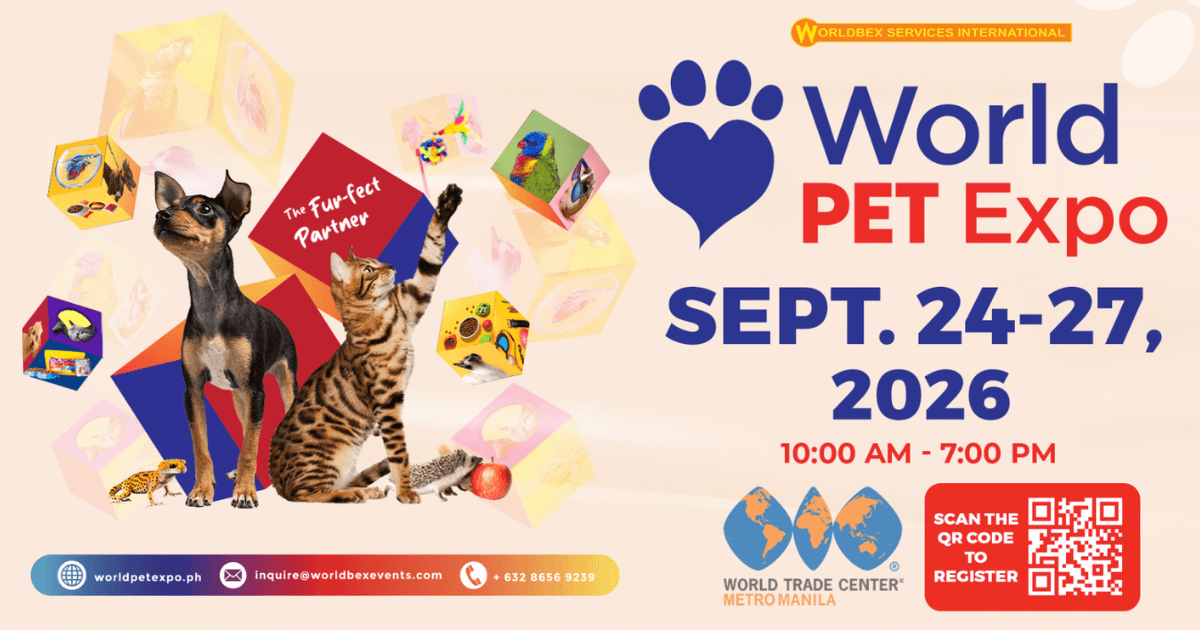
Join World Pet Expo 2026 on September 24–27 at World Trade Center Metro Manila for four days of exciting activities, pet products, and experiences for every pet lover.